When planning any landscaping Wellington project, the first steps are often the most important. I always start by looking closely at site access and drainage. Even a simple garden can be tricky if there are tight pathways, steep slopes, or limited space for taking materials in and out. Think about whether trucks or machinery can safely get to where the work needs to happen.
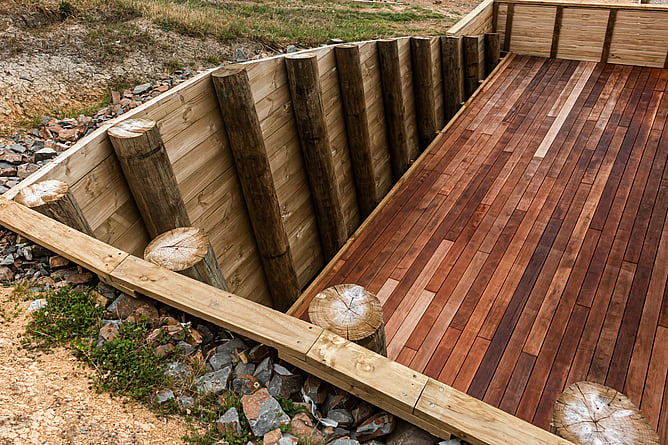
Drainage is another key factor, especially with Wellington’s weather. Poor drainage can damage lawns, plantings, and hard surfaces. Before anything is built, I check how rainwater runs across the site and where it pools. Installing drains or grading the ground can stop future headaches. If your project needs a retaining wall, that should be planned early, as it can affect the way water moves and how everything will fit together.
A clear site plan showing where paths, decks, and other features will go makes everything easier to understand. This means fewer surprises during the build and a smoother process for everyone.
Designing Decks, Paths And Lawns With Structure In Mind
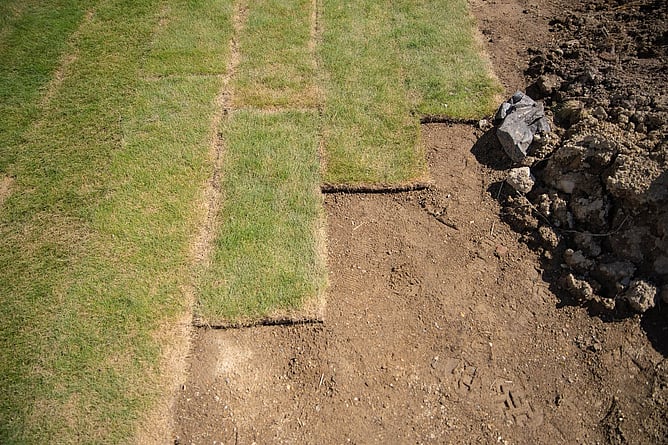
Once the site is ready, I turn my attention to the structures that make up the bulk of most landscaping Wellington projects. Whether it’s a deck for outdoor living, concrete or paved paths, or new lawn areas, careful planning here leads to better long-term results. For decks, I consider the available space, sun and shade, and how the deck will connect to both the home and the garden. Using the right materials—whether timber or composite—keeps maintenance down and the look sharp.
Paths need to follow natural routes people will take, avoiding awkward corners. Materials like exposed aggregate, paving stones, or timber can each match different home styles. For lawns, preparing the base properly is vital. In Wellington, well-drained soil and good grass selection will save trouble later on. Lawns can be shaped to guide movement through the garden or provide open areas for family use.
I always work from a plan, with measurements and materials listed out. This makes it easy to cost things properly and change details if needed without starting over.
Planning Planting And Creating A Detailed Project Scope
Good planting brings the whole garden together. In the Wellington region, I choose species that handle wind and changeable weather—plants like hebes, flax, and pittosporum handle the climate well and provide year-round interest. It is important to think about how big each plant will get, and to allow space for growth. Placing taller plants to the back or sides can frame the area and give wind protection, while lower groundcovers keep the garden tidy.
Having a clear project scope is crucial. I always write down every stage of work, from demolition to finishing touches. This scope covers exactly what is being done, what materials will be used, the agreed layout, and any special details. With everything in writing, both sides know what to expect and when each step will be finished. This keeps the project clear and organised from start to finish, and means there’s less risk of confusion or hold-ups.
If you are planning a landscaping Wellington project, starting with a detailed scope and the right planting will set you up for a durable, attractive result.
Bringing Your Landscaping Wellington Vision To Life
Every successful garden in Wellington starts with thoughtful planning and open conversation. By covering access, drainage, structure and planting from the start, I help make sure your landscaping Wellington project will look good and last well into the future. I work directly with you at every stage—no middle people—so your ideas always come through clearly. If you want realistic advice or an itemised quote for your project, just get in touch with me at Lockhart Landscaping. I am happy to help you figure out what’s possible and give you a written plan to suit your needs.